Right Submandibular Sialolithiasis with Non-Specific Sialadenitis
48-year-old male with hypertension, no diabetes or other systemic illness, presented with right submandibular swelling. No constitutional symptoms or relevant drug/exposure history. Presentation: Chronic right submandibular swelling. Details about pain, discharge, or triggers (e.g., meal-related) were not documented.
SURGERYHEAD AND NECKVIDEO
11/10/20251 min read
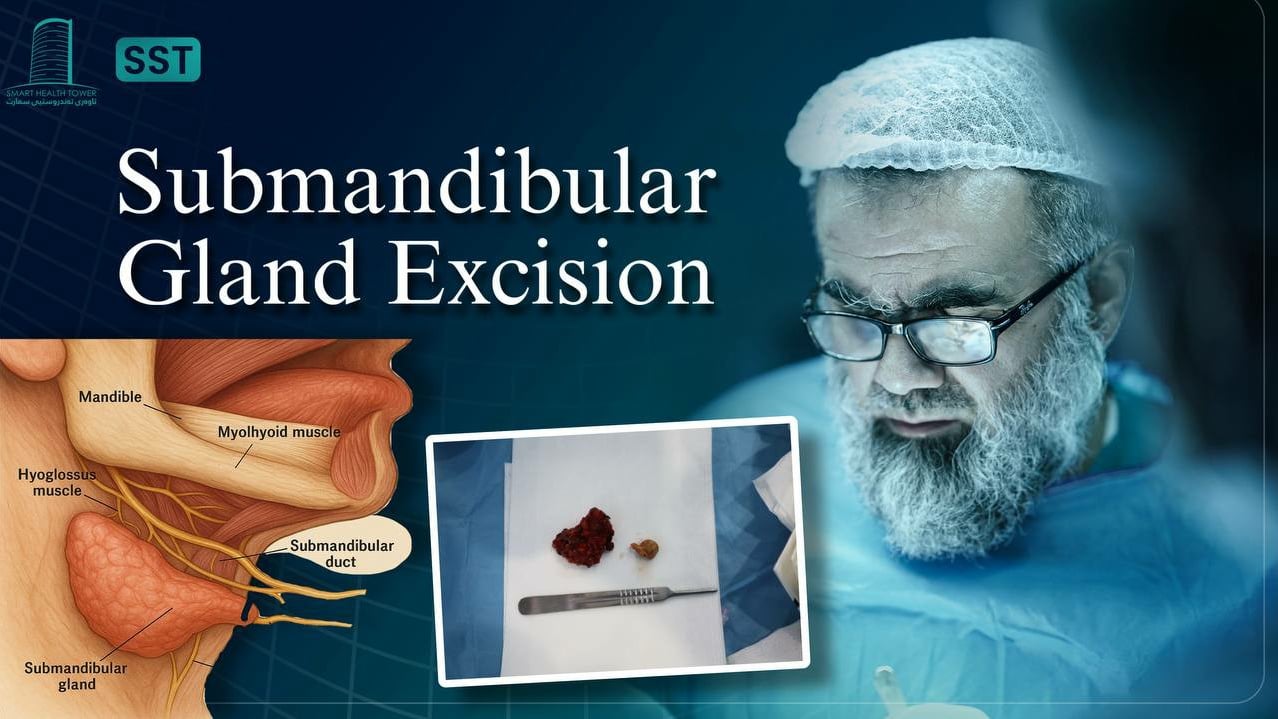
Right Submandibular Sialolithiasis with Non-Specific Sialadenitis
Patient: 48-year-old male with hypertension, no diabetes or other systemic illness, presented with right submandibular swelling. No constitutional symptoms or relevant drug/exposure history.
Presentation: Chronic right submandibular swelling. Details about pain, discharge, or triggers (e.g., meal-related) were not documented.
Investigations:
Neck ultrasound revealed:
Mildly enlarged, heterogeneous right submandibular gland
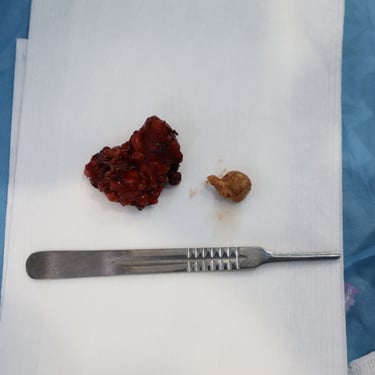
6 mm echogenic hilar focus (sialolith)
Mild ductal dilatation and inflammatory changes
Reactive right cervical lymphadenopathy with preserved nodal architecture
Other salivary glands and thyroid were normal; laboratory tests were within normal limits.
Diagnosis: Findings consistent with obstructive sialadenitis secondary to a hilar sialolith.
Differential diagnoses included chronic sclerosing sialadenitis and sialadenosis; neoplasm was unlikely but excluded by histology.
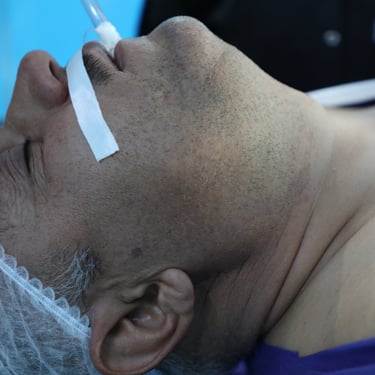
Management: The patient underwent right submandibular gland excision under general anesthesia. Standard precautions for nerve preservation were implied; no complications were reported.
Histopathology: Confirmed non-specific (chronic) sialadenitis due to ductal obstruction by a stone, with no malignancy.
Postoperative Course: Not detailed, but standard care would include wound and nerve function assessment, pain control, and follow-up of reactive lymphadenopathy.

Address
Majid Bag Main Street, Beside University of Sulaymaniyah Old Campus, Madam Mitterrand, Sulaymaniyah, Iraq
Contacts
info@ssthyroid.com